

Where Should Your Stop Loss and Take Profit Go? One Simple Rule
Learn exactly where to place your stop loss and take profit using Volume Profile. One simple rule guides both exits: take profit goes before a barrier, stop loss goes behind it. Three real chart examples show you how it works.
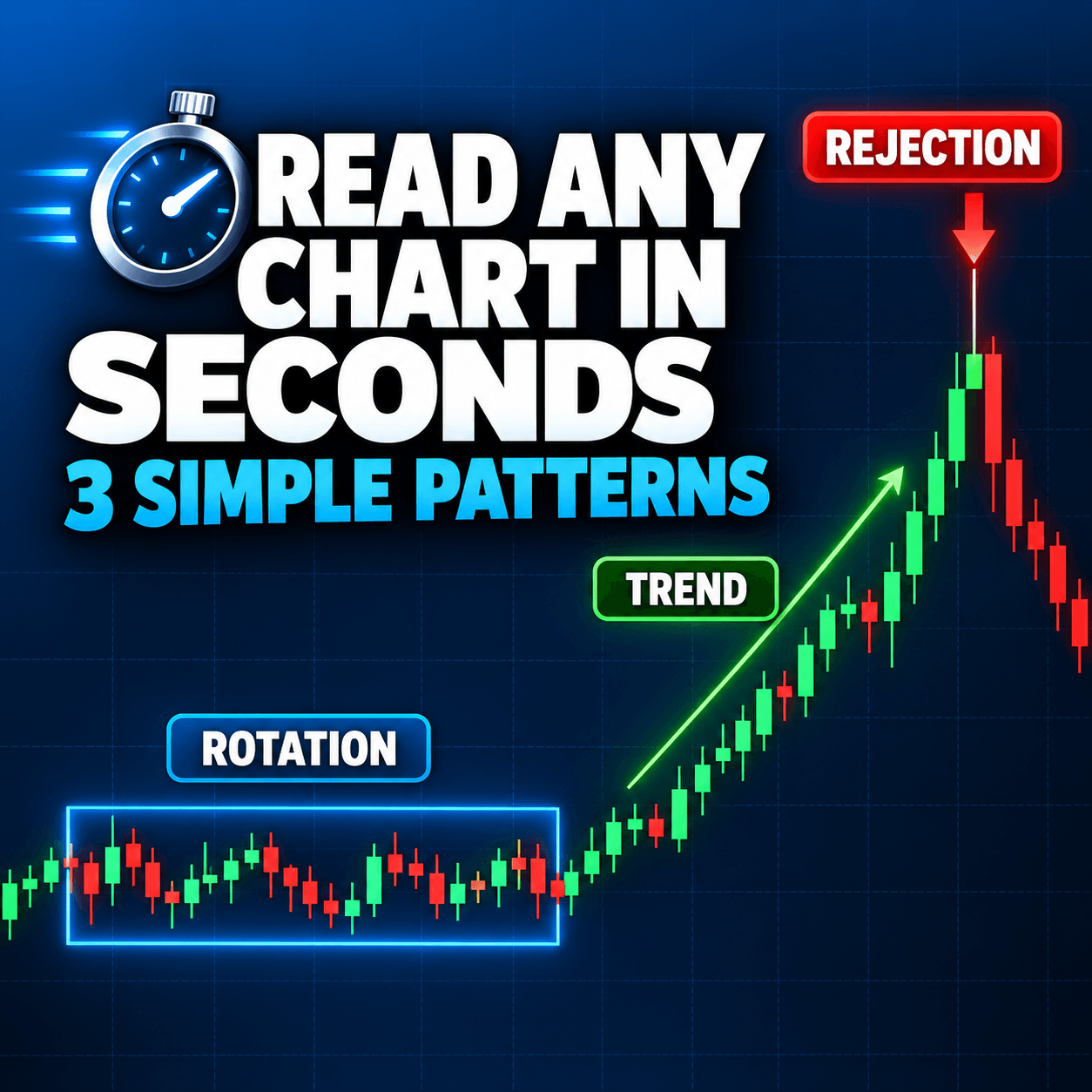
Can You Read Trading Charts Quickly? Try These 3 Patterns
Every chart is built from just three patterns: rotation, trend, and rejection. Learn how to read trading charts quickly, what each pattern tells you about buyers and sellers, and simple ways to trade them on any market or time frame.

Volume Profile and Cumulative Delta: A Simple Trading Strategy That Actually Works
: Learn how Dale combines the weekly Volume Profile Point of Control with Cumulative Delta divergence to spot high probability reversals. This USD/CAD trade breakdown shows exactly how to find the zone, confirm the signal, and exit using VWAP deviations.

What Is a Good P/E Ratio for Stocks?
Learn what makes a good P/E ratio for stocks and how to calculate it in seconds. This guide breaks down high and low P/E examples like Tesla and Netflix, plus the extra checks every investor should run before buying stock.

What Are The Trading Rules For Macro News? A Simple Swing Trading Guide
Not all red news is safe to trade through. Learn the macro news trading rules for handling FOMC, rate decisions, and other monster news events, including when to pause limit orders, close trades early, and safely re-enter once the volatility settles.

Volume Profile Confluence Trading: How to Spot the Strongest Trading Levels
Not every trading level holds. Learn volume profile confluence trading: how Volume Profile, Fair Value Gaps, and Support/Resistance Flips stack together to confirm genuinely strong levels, filter out weak setups, and trade with real, repeatable confidence instead of chart guesswork.
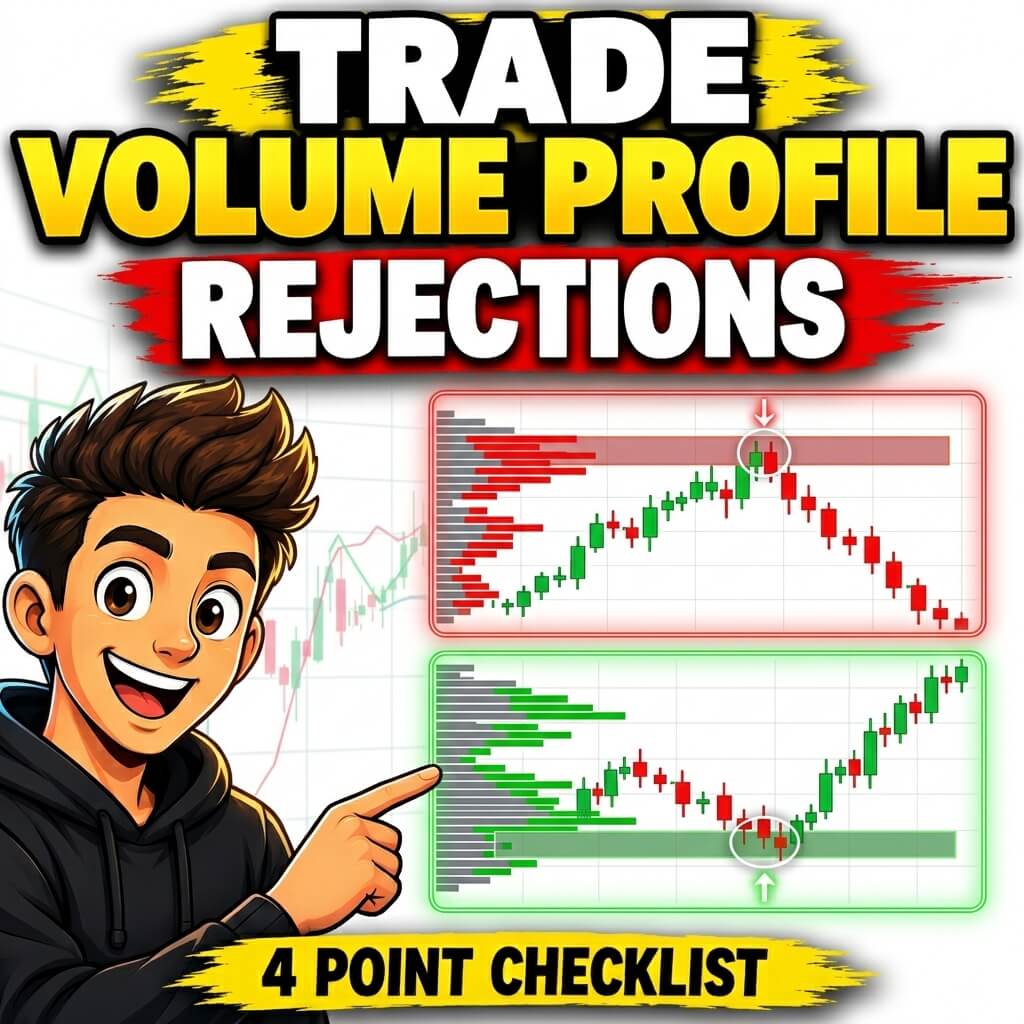
How to Trade Volume Profile Rejections Using a Simple Checklist
Learn how to trade Volume Profile rejections with a simple four point checklist covering rotation, rejection strength, volume distribution, and fair value gaps. See two real chart examples, one bearish and one bullish, showing exactly where to enter each trade.

How Do You Trade Market Rotations and Trends? A Simple Guide
Learn how to trade market rotations and trends by spotting the two states every market moves through. See why big institutions hide inside sideways rotations, how heavy volume gives them away, and why longer rotations often lead to stronger trends.

Same Risk Every Trade: The Simple Rule That Stops Silent Account Losses
Winning more trades doesn’t guarantee profits. Learn why applying the same risk every trade, not the same lot size, is the key to protecting your account. This simple position sizing fix stops silent losses and makes your win rate actually count.

How to Reduce Correlation Risk in Forex Trading
Have you ever opened three trades that felt completely different? Then you watched all three hit your stop loss at almost the same moment. That
Where Should Your Stop Loss and Take Profit Go? One Simple Rule
Learn exactly where to place your stop loss and take profit using Volume Profile. One simple rule guides both exits: take profit goes before a barrier, stop loss goes behind it. Three real chart examples show you how it works.
Can You Read Trading Charts Quickly? Try These 3 Patterns
Every chart is built from just three patterns: rotation, trend, and rejection. Learn how to read trading charts quickly, what each pattern tells you about buyers and sellers, and simple ways to trade them on any market or time frame.
Volume Profile and Cumulative Delta: A Simple Trading Strategy That Actually Works
: Learn how Dale combines the weekly Volume Profile Point of Control with Cumulative Delta divergence to spot high probability reversals. This USD/CAD trade breakdown shows exactly how to find the zone, confirm the signal, and exit using VWAP deviations.
What Is a Good P/E Ratio for Stocks?
Learn what makes a good P/E ratio for stocks and how to calculate it in seconds. This guide breaks down high and low P/E examples like Tesla and Netflix, plus the extra checks every investor should run before buying stock.
What Are The Trading Rules For Macro News? A Simple Swing Trading Guide
Not all red news is safe to trade through. Learn the macro news trading rules for handling FOMC, rate decisions, and other monster news events, including when to pause limit orders, close trades early, and safely re-enter once the volatility settles.
Volume Profile Confluence Trading: How to Spot the Strongest Trading Levels
Not every trading level holds. Learn volume profile confluence trading: how Volume Profile, Fair Value Gaps, and Support/Resistance Flips stack together to confirm genuinely strong levels, filter out weak setups, and trade with real, repeatable confidence instead of chart guesswork.
How to Trade Volume Profile Rejections Using a Simple Checklist
Learn how to trade Volume Profile rejections with a simple four point checklist covering rotation, rejection strength, volume distribution, and fair value gaps. See two real chart examples, one bearish and one bullish, showing exactly where to enter each trade.
How Do You Trade Market Rotations and Trends? A Simple Guide
Learn how to trade market rotations and trends by spotting the two states every market moves through. See why big institutions hide inside sideways rotations, how heavy volume gives them away, and why longer rotations often lead to stronger trends.
Same Risk Every Trade: The Simple Rule That Stops Silent Account Losses
Winning more trades doesn’t guarantee profits. Learn why applying the same risk every trade, not the same lot size, is the key to protecting your account. This simple position sizing fix stops silent losses and makes your win rate actually count.
How to Reduce Correlation Risk in Forex Trading
Have you ever opened three trades that felt completely different? Then you watched all three hit your stop loss at almost the same moment. That

Where Should Your Stop Loss and Take Profit Go? One Simple Rule
Learn exactly where to place your stop loss and take profit using Volume Profile. One simple rule guides both exits: take profit goes before a barrier, stop loss goes behind it. Three real chart examples show you how it works.
Can You Read Trading Charts Quickly? Try These 3 Patterns
Every chart is built from just three patterns: rotation, trend, and rejection. Learn how to read trading charts quickly, what each pattern tells you about buyers and sellers, and simple ways to trade them on any market or time frame.

Volume Profile and Cumulative Delta: A Simple Trading Strategy That Actually Works
: Learn how Dale combines the weekly Volume Profile Point of Control with Cumulative Delta divergence to spot high probability reversals. This USD/CAD trade breakdown shows exactly how to find the zone, confirm the signal, and exit using VWAP deviations.

What Is a Good P/E Ratio for Stocks?
Learn what makes a good P/E ratio for stocks and how to calculate it in seconds. This guide breaks down high and low P/E examples like Tesla and Netflix, plus the extra checks every investor should run before buying stock.

What Are The Trading Rules For Macro News? A Simple Swing Trading Guide
Not all red news is safe to trade through. Learn the macro news trading rules for handling FOMC, rate decisions, and other monster news events, including when to pause limit orders, close trades early, and safely re-enter once the volatility settles.

Volume Profile Confluence Trading: How to Spot the Strongest Trading Levels
Not every trading level holds. Learn volume profile confluence trading: how Volume Profile, Fair Value Gaps, and Support/Resistance Flips stack together to confirm genuinely strong levels, filter out weak setups, and trade with real, repeatable confidence instead of chart guesswork.
How to Trade Volume Profile Rejections Using a Simple Checklist
Learn how to trade Volume Profile rejections with a simple four point checklist covering rotation, rejection strength, volume distribution, and fair value gaps. See two real chart examples, one bearish and one bullish, showing exactly where to enter each trade.

How Do You Trade Market Rotations and Trends? A Simple Guide
Learn how to trade market rotations and trends by spotting the two states every market moves through. See why big institutions hide inside sideways rotations, how heavy volume gives them away, and why longer rotations often lead to stronger trends.

Same Risk Every Trade: The Simple Rule That Stops Silent Account Losses
Winning more trades doesn’t guarantee profits. Learn why applying the same risk every trade, not the same lot size, is the key to protecting your account. This simple position sizing fix stops silent losses and makes your win rate actually count.

How to Reduce Correlation Risk in Forex Trading
Have you ever opened three trades that felt completely different? Then you watched all three hit your stop loss at almost the same moment. That
