

A comprehensive ranking of the most common and professional trading indicators
If you’ve ever wondered which trading indicators actually help and which ones are simply dead weight in real trading, this article gives you a brutally honest breakdown. Each indicator is evaluated based on how it performs in rotation, trends, real market conditions, and how consistent or misleading its signals tend to be.
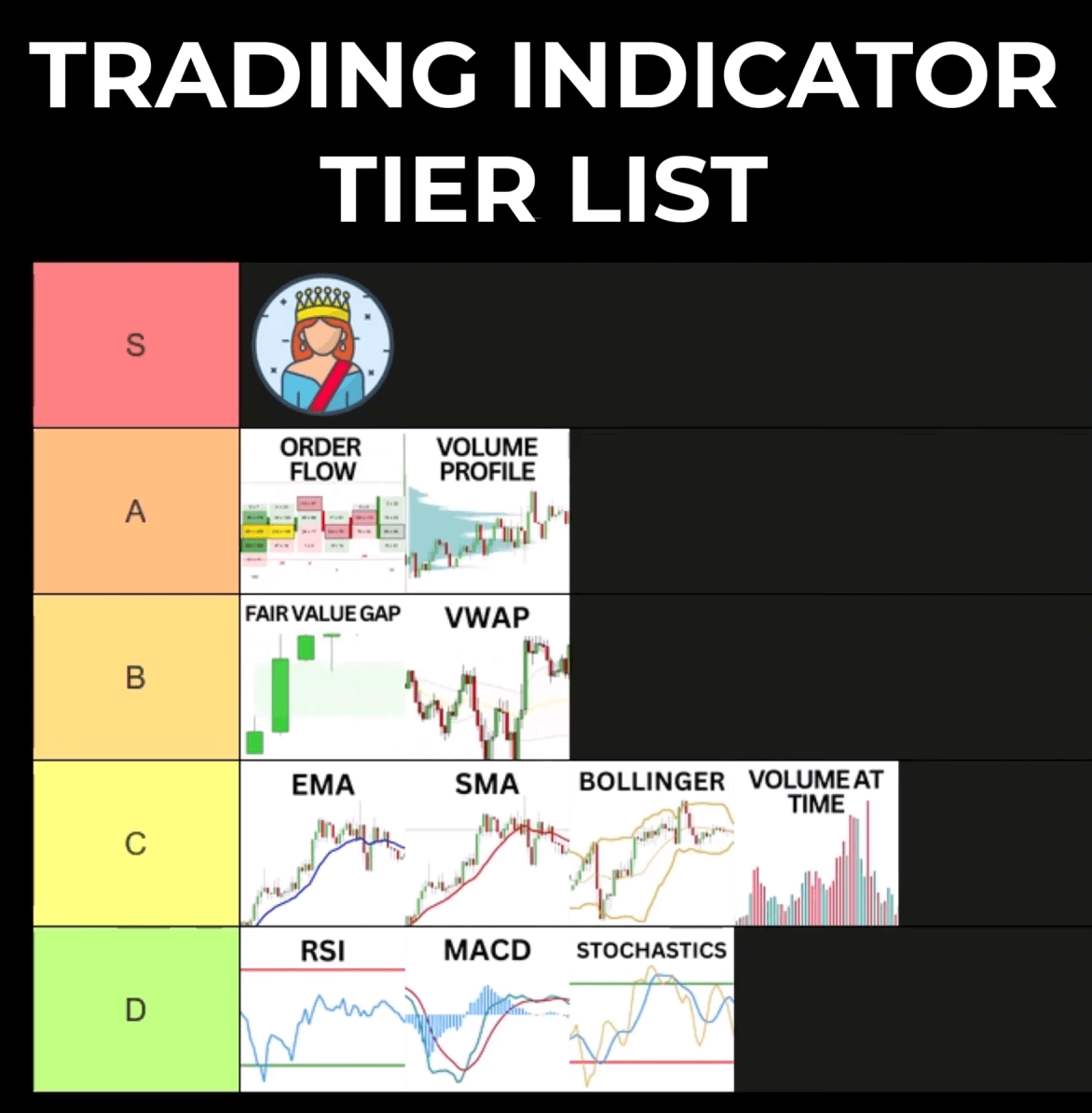
Below is the complete tier list, from D-tier (weak) to A-tier (professional-grade tools).
Prefer a video? Watch this breakdown:
DESCRIPTION:
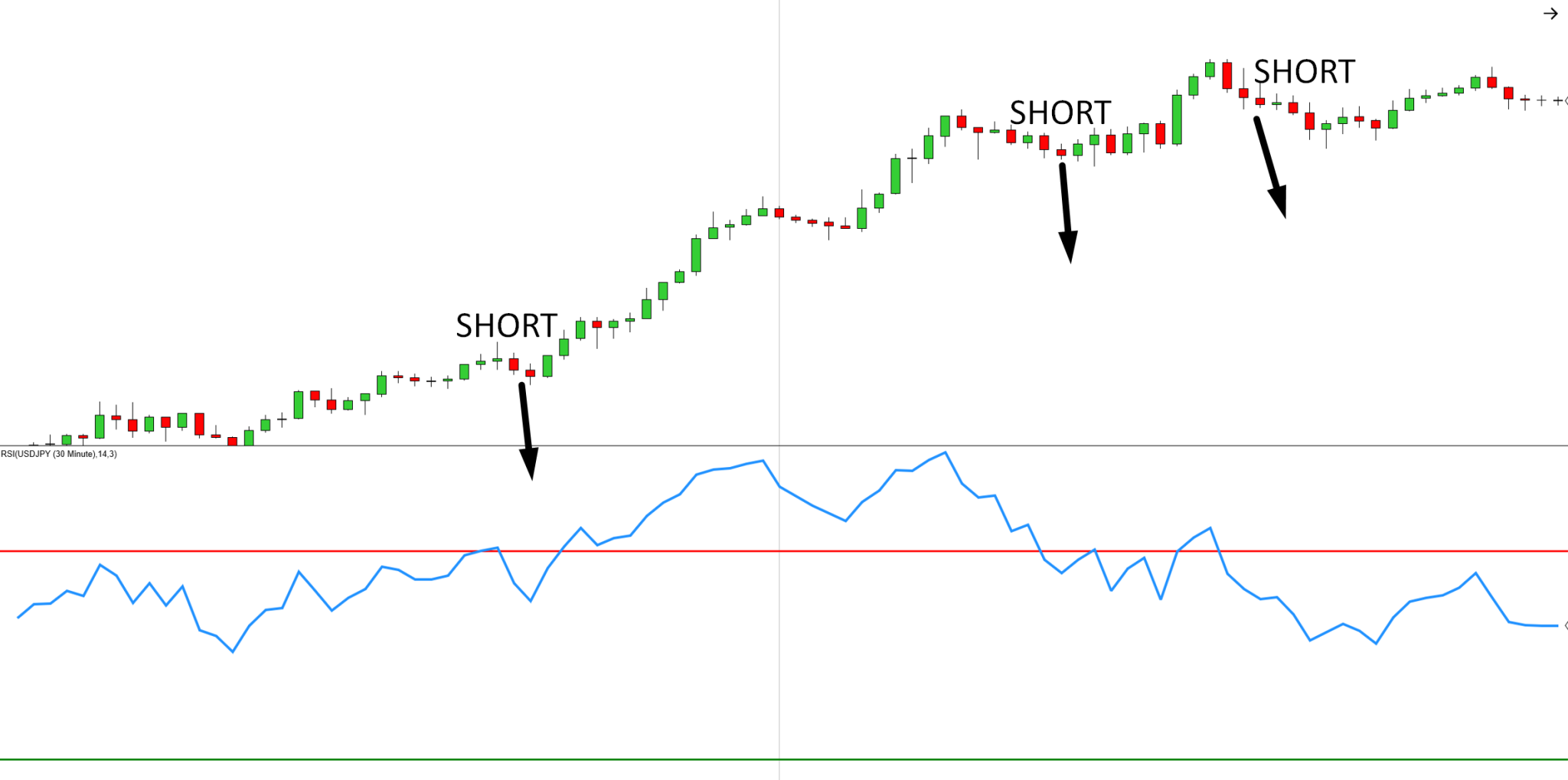
RSI — probably the most famous indicator out there. It’s supposed to show when the market is overbought or oversold using those classic 70 and 30 levels.
STRENGTH:
It’s simple, and in a clean rotation it can sometimes give an okay signal. But that’s pretty much the only situation where it has any chance to work.
WEAKNESS:
It throws out tons of bad signals. Even in a range it’s not very reliable, and in a trend it’s a complete disaster. It has zero awareness of context, so it just keeps flashing useless buy and sell signals.
VERDICT
The idea behind RSI sounds good in theory — an overbought market should drop, an oversold market should bounce. But in real markets this just doesn’t work. It’s one of those concepts that falls apart the moment you apply it to real charts.
If you want to learn what actually does work, start with the free physical trading book.
DESCRIPTION:
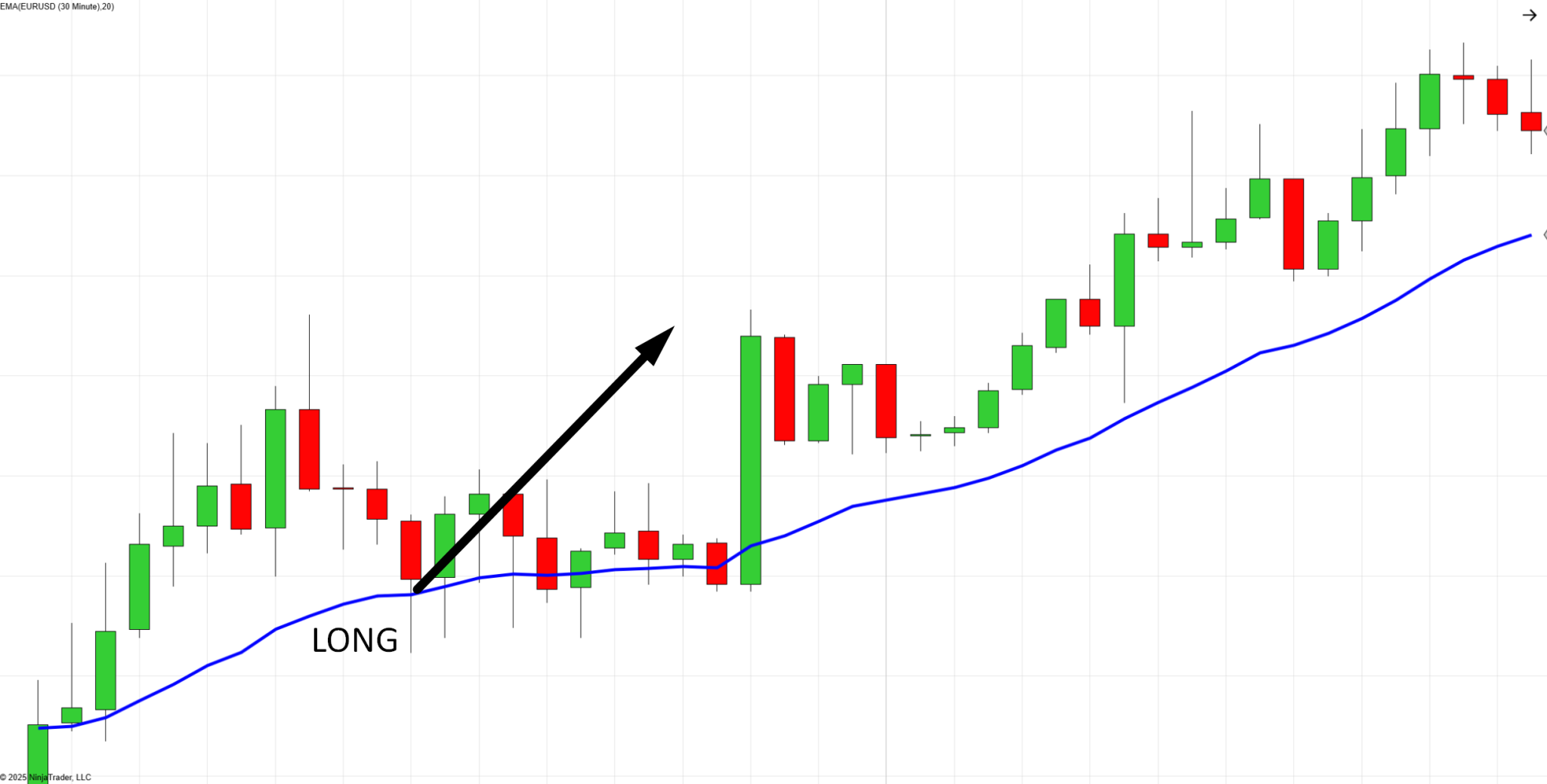
EMA — a very common moving average that reacts faster to price than a standard SMA. The idea is simple: it smooths the chart and helps you see the direction of the short-term trend.
STRENGTH:
In a trend, EMA isn’t terrible. If you trade pullbacks, it can line up with the direction nicely and at least point you toward the right side of the market.
WEAKNESS:
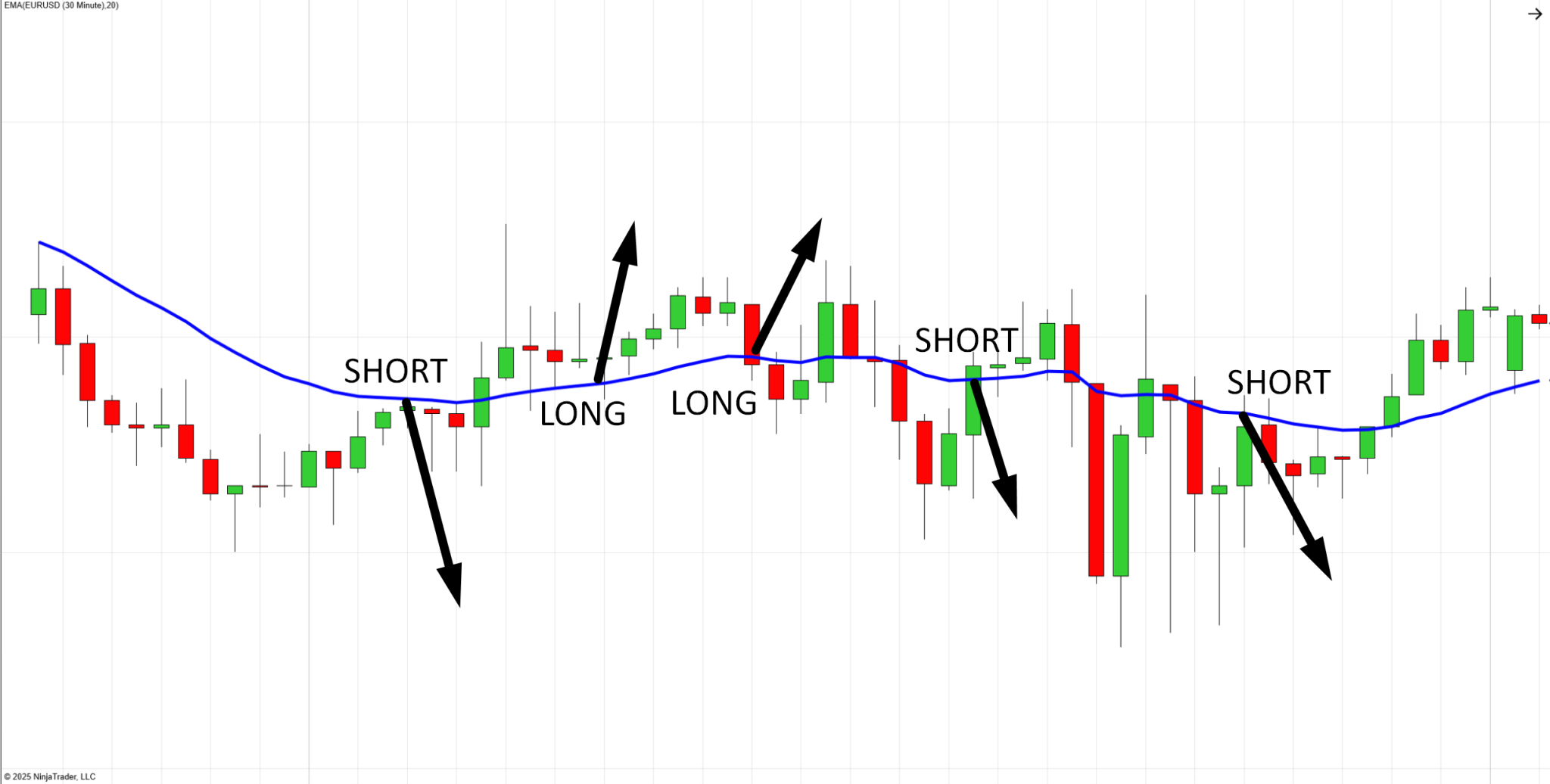
In rotation it’s completely useless. Price keeps chopping through it over and over, and you end up with nonsense signals. At the end of the day, EMA just shows what happened a few candles ago. It has no brain, no context, and it reacts to everything — even the noise.
VERDICT:
It’s still a bit better than RSI simply because in a trend it can at least support what you’re already doing. But you absolutely need a reliable way to filter when the market is trending and when it’s not — otherwise EMA will just drag you into bad trades.
If you want a deeper explanation, watch this breakdown:
The Real Problem With EMA-20
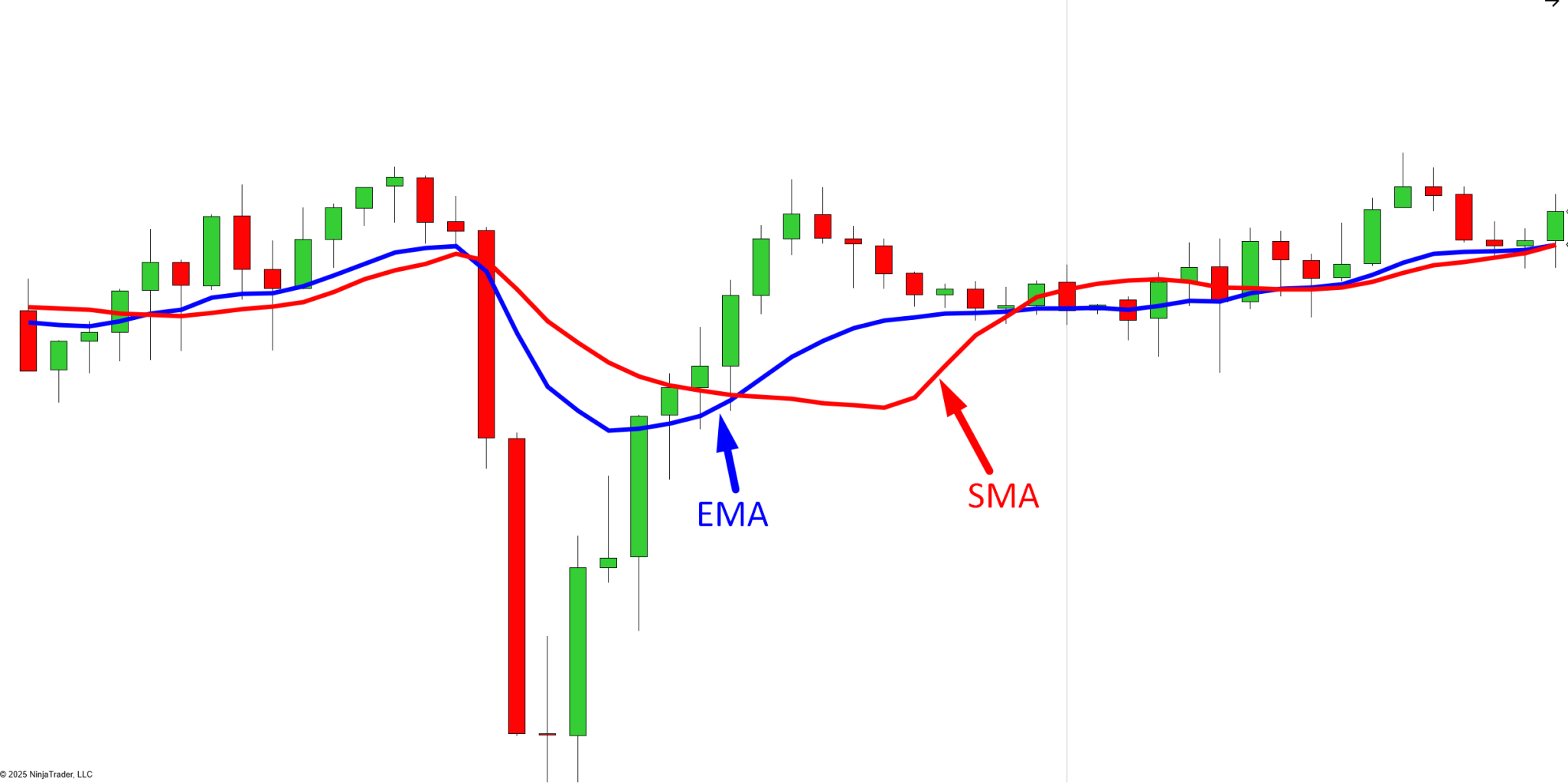
The practical difference between EMA and SMA is just the speed. EMA reacts faster because it gives more weight to the most recent candles. SMA moves slower and lags more. In real trading that just means EMA follows price more closely, but both indicators are fundamentally the same idea. That’s I would place them both in the same tier.
DESCRIPTION:
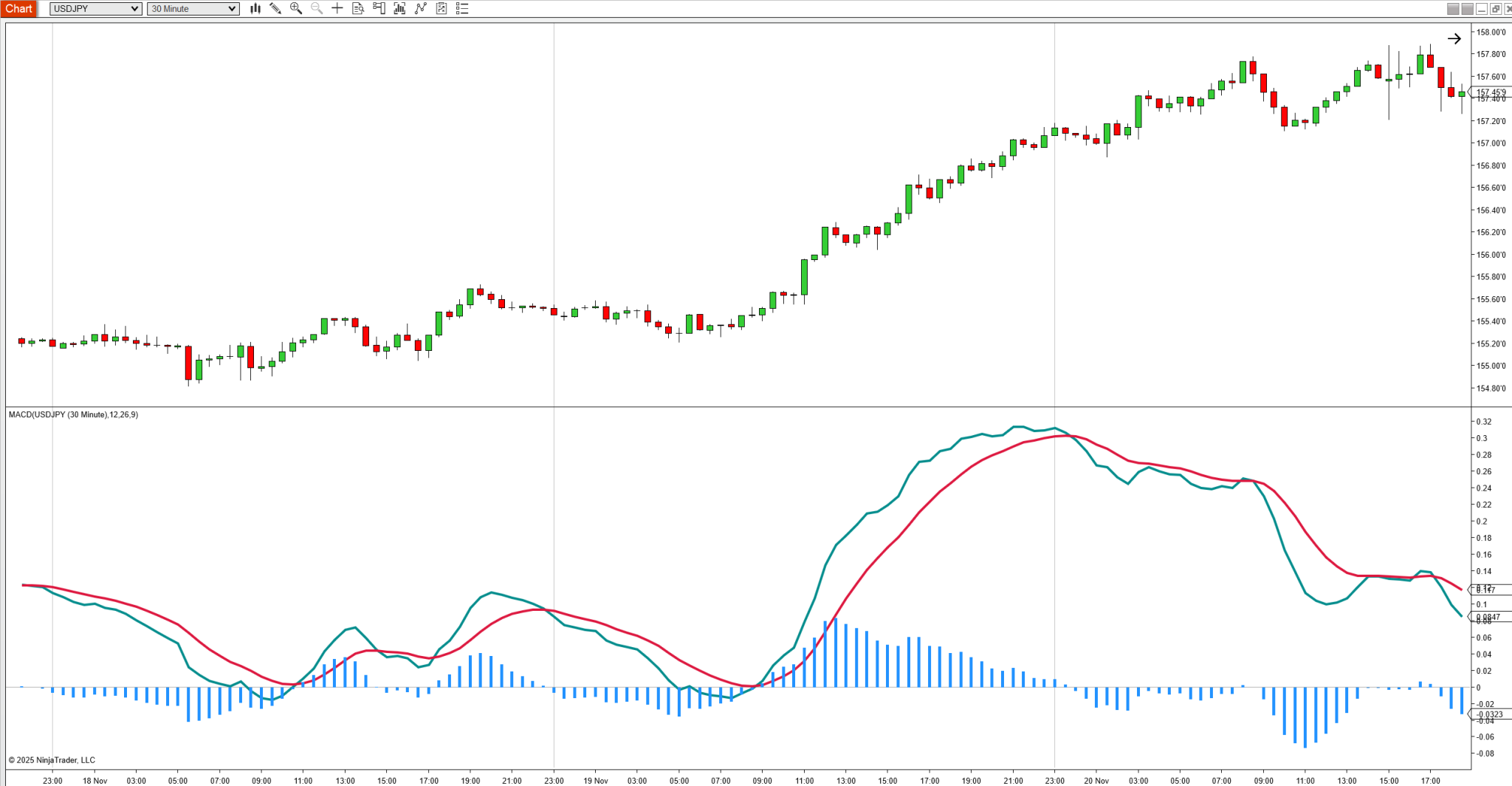
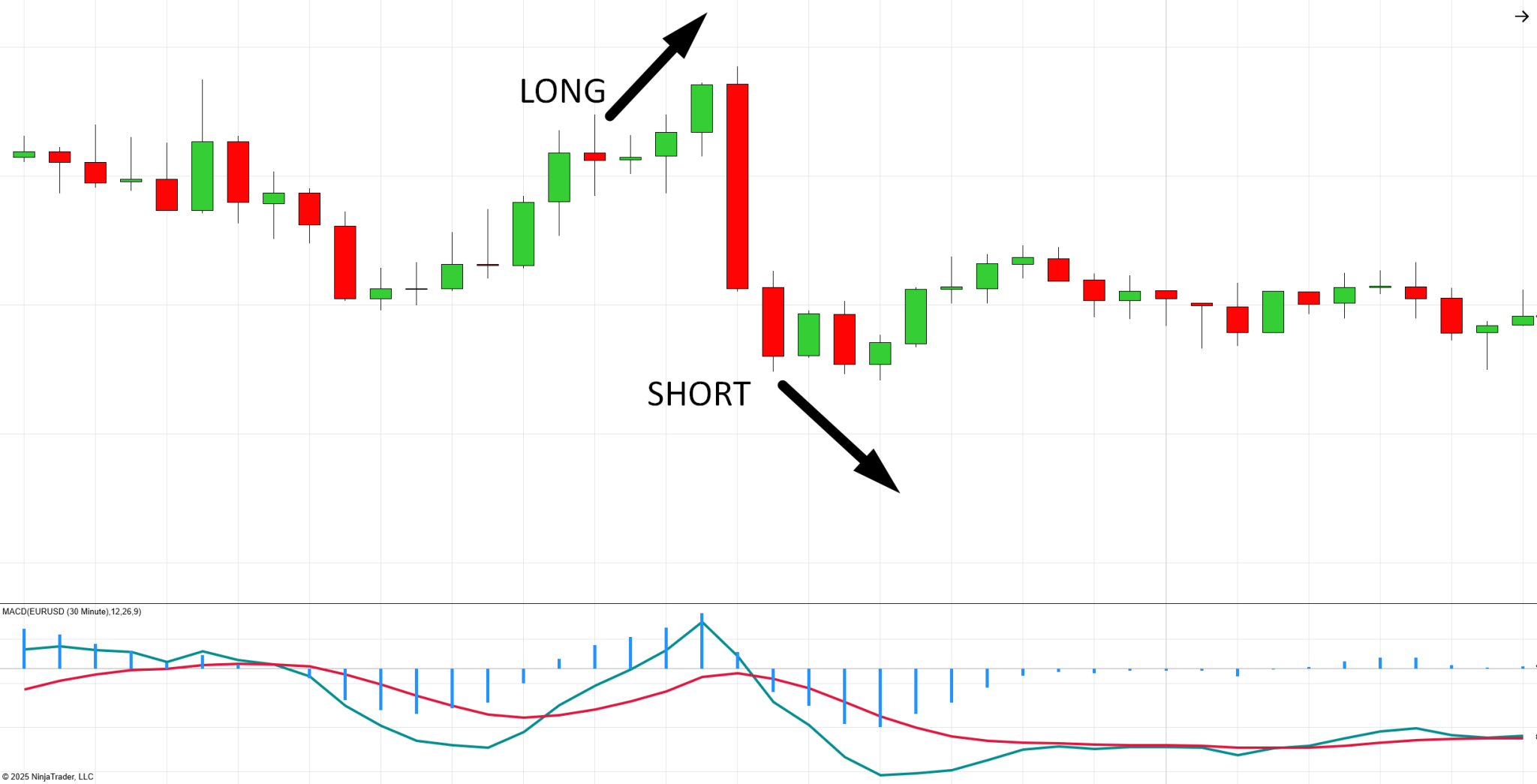
MACD is basically just a combination of moving averages. You have a fast line, a slow line, and the histogram — which is simply the difference between those two lines. In theory it shows momentum, but in practice it reacts far too late.
STRENGTH:
In a clean trend, MACD isn’t totally useless. It points in the right direction and if you’re lucky, you can ride the trend for a bit.
WEAKNESS:
But outside of that, it’s painfully slow. It often gives a long signal when the move is already exhausted, and a short signal when the market is basically done dropping. And because markets rotate most of the time, MACD just keeps firing bad signals one after another.
VERDICT:
On paper it sounds logical, but in real trading it reacts way too late to be helpful. For me, MACD is a clear D-tier indicator.
DESCRIPTION:
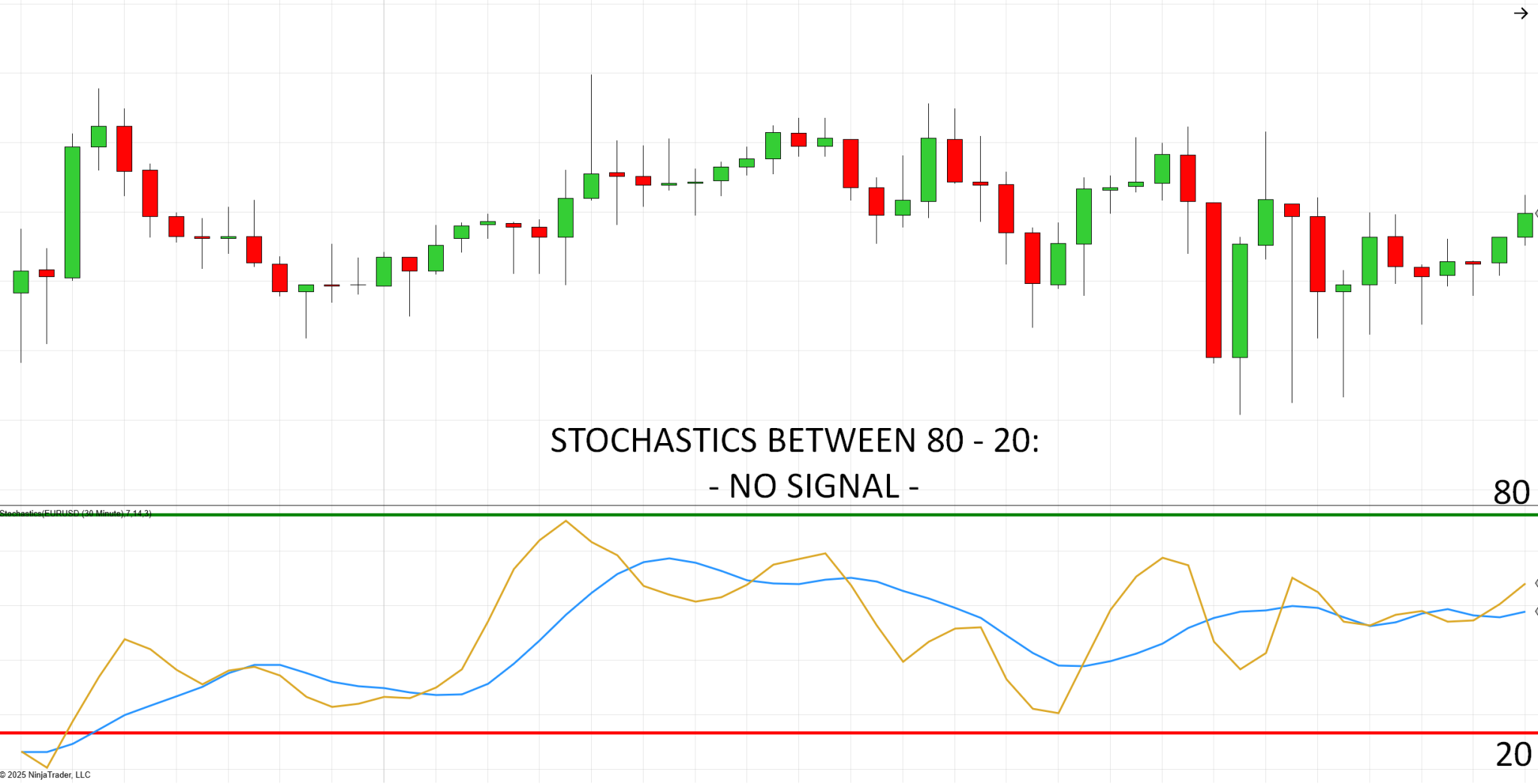
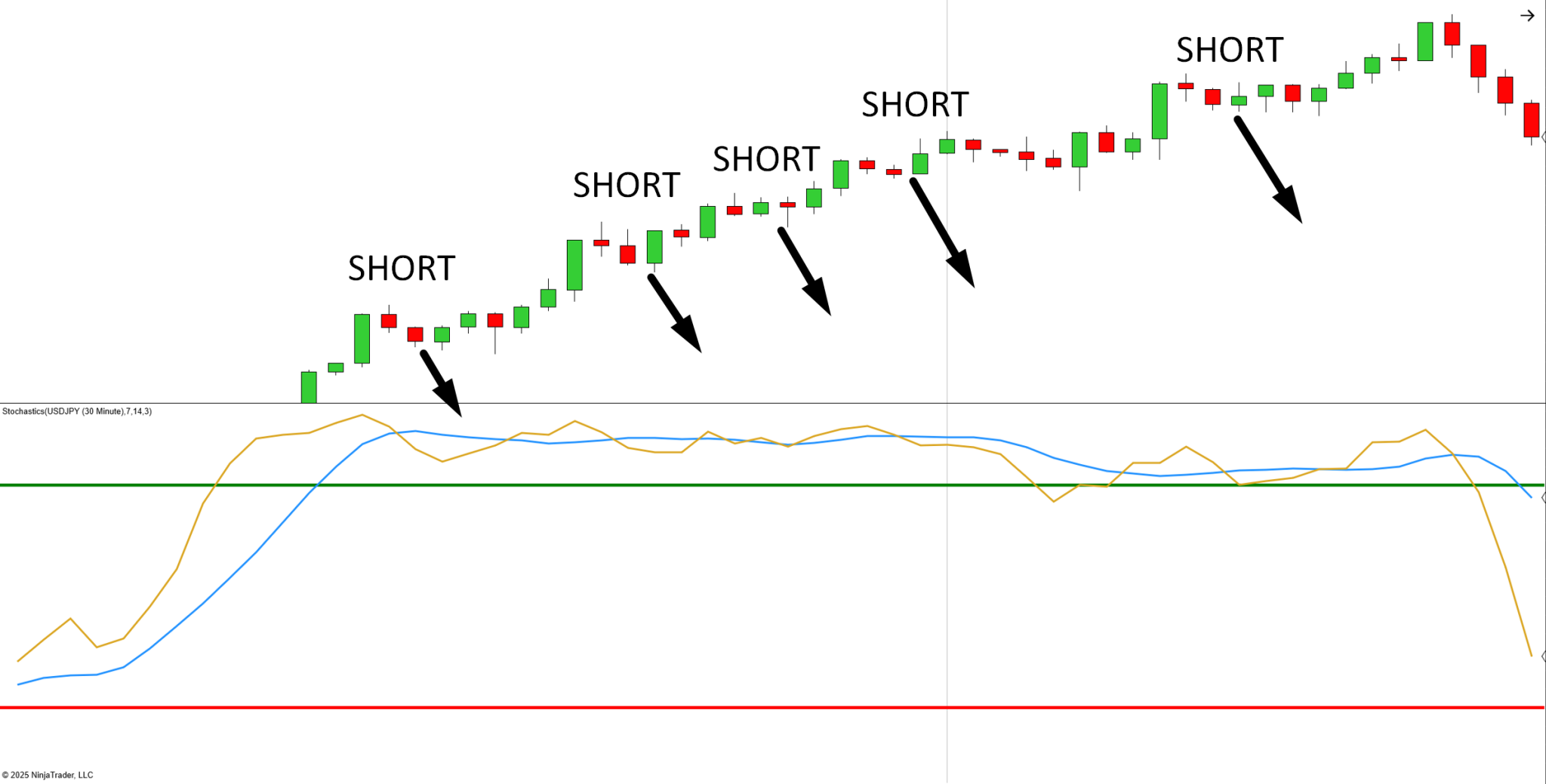
Stochastics is an oscillator that measures where the latest close is compared to the high–low range of the last few candles. Most traders use the basic crossover — fast line crosses the slow line below 20 to buy, above 80 to sell.
STRENGTH:
It’s simple. Sometimes it gives a decent signal — mostly by coincidence.
WEAKNESS:
The problem is that it’s way too fast. In a trend, every tiny pullback fires a fake reversal signal and just burns money. And in rotation, it often doesn’t even touch the 20 or 80 levels, so you barely get any signals at all. It just has no real edge.
VERDICT:
This strategy basically tries to catch the end of a trend — something that’s hard even with pro tools. With Stochastics it’s pure chance. For me, it’s a clear D-tier indicator.
DESCRIPTION:
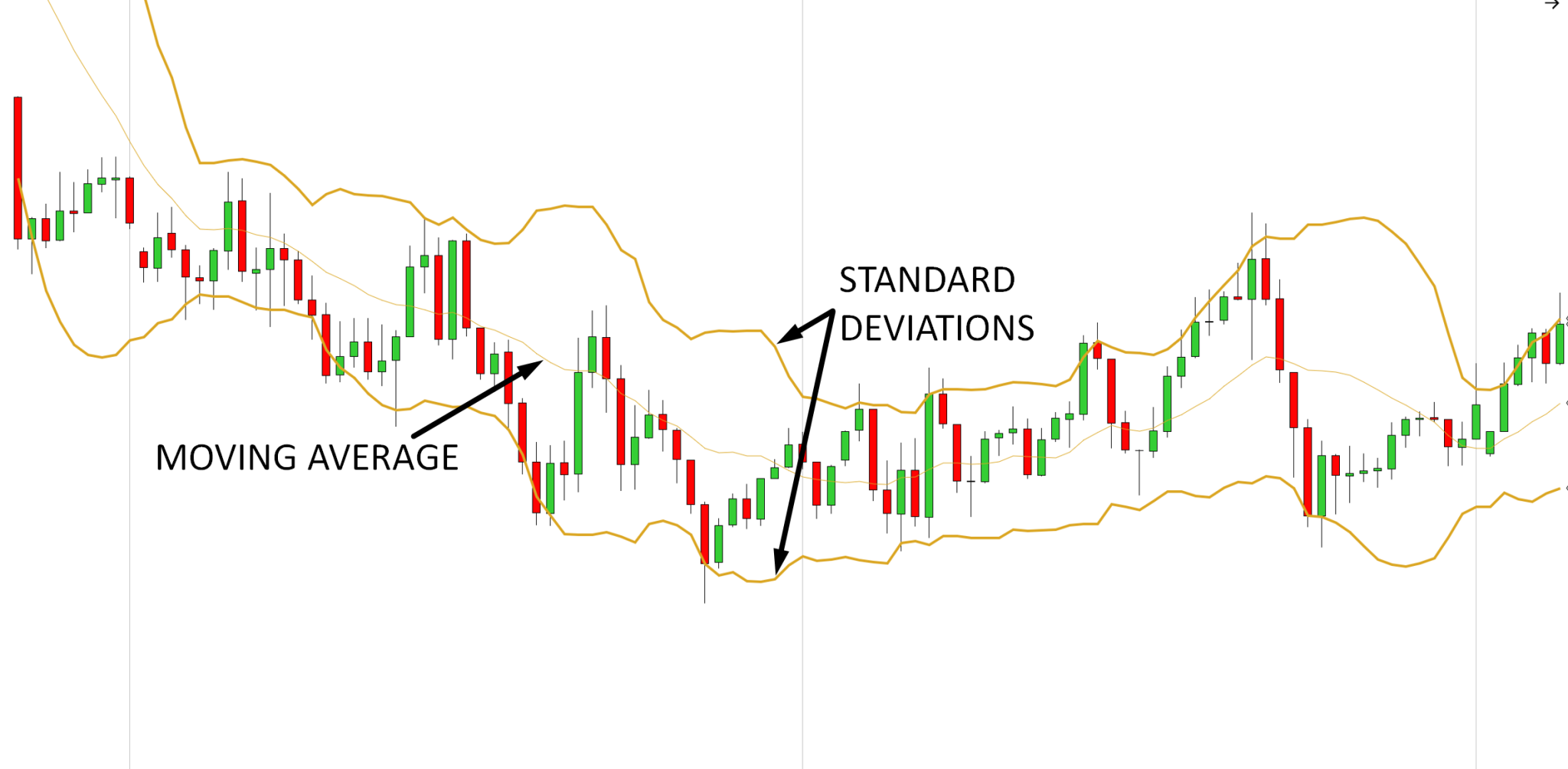
Bollinger Bands are basically a moving average with two standard-deviation envelopes around it. So it’s a mix of price, average, and volatility — and in theory it’s supposed to show when the market is stretched too far from its mean.
STRENGTH:
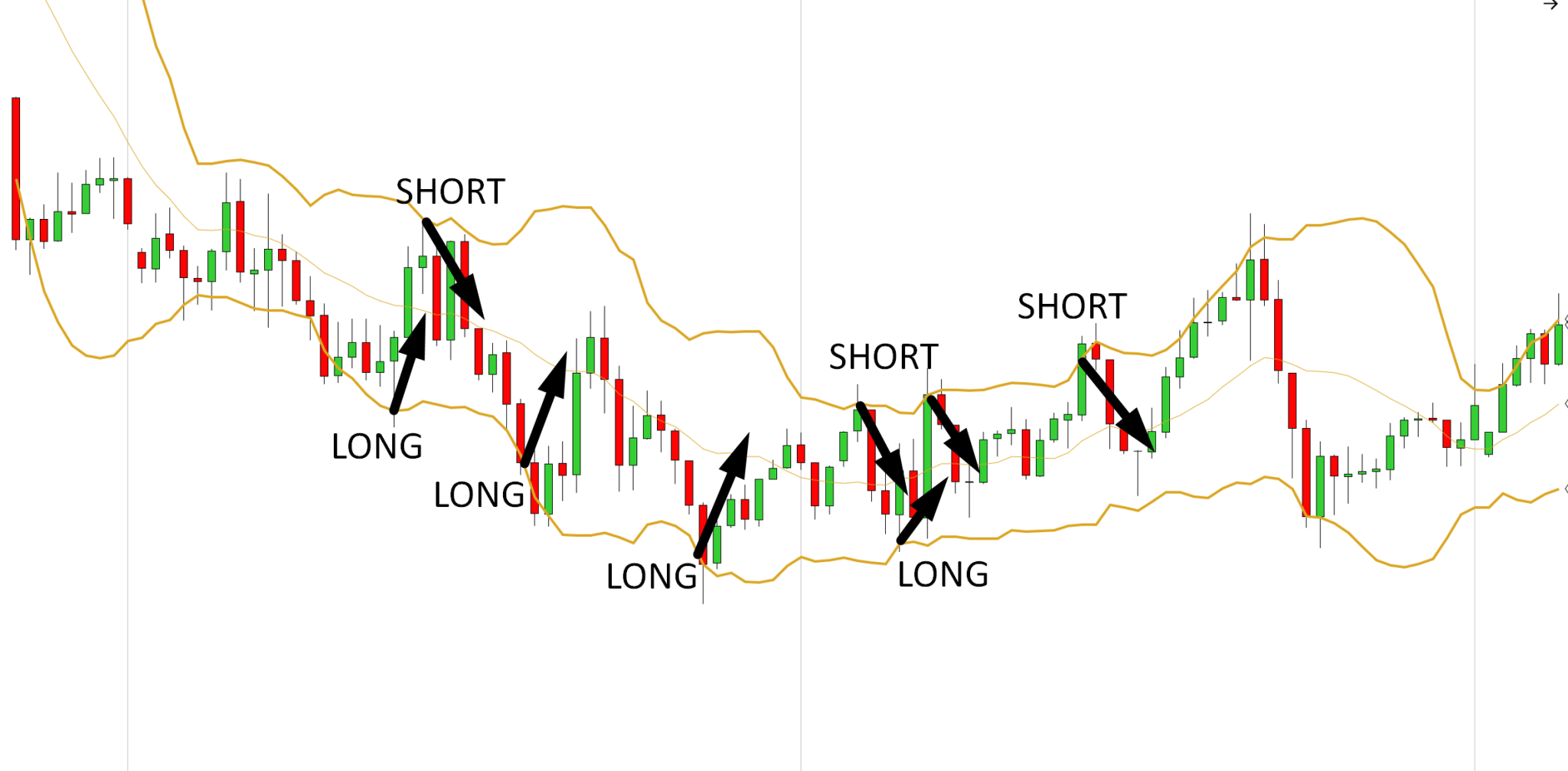
Logically, it’s not complete nonsense. You’re working with an average and with standard deviation, so there’s at least some probability behind it. In rotation it can work reasonably well — the market moves around the mean, volatility expands and contracts, and Bollinger Bands can catch some of those swings.
WEAKNESS:
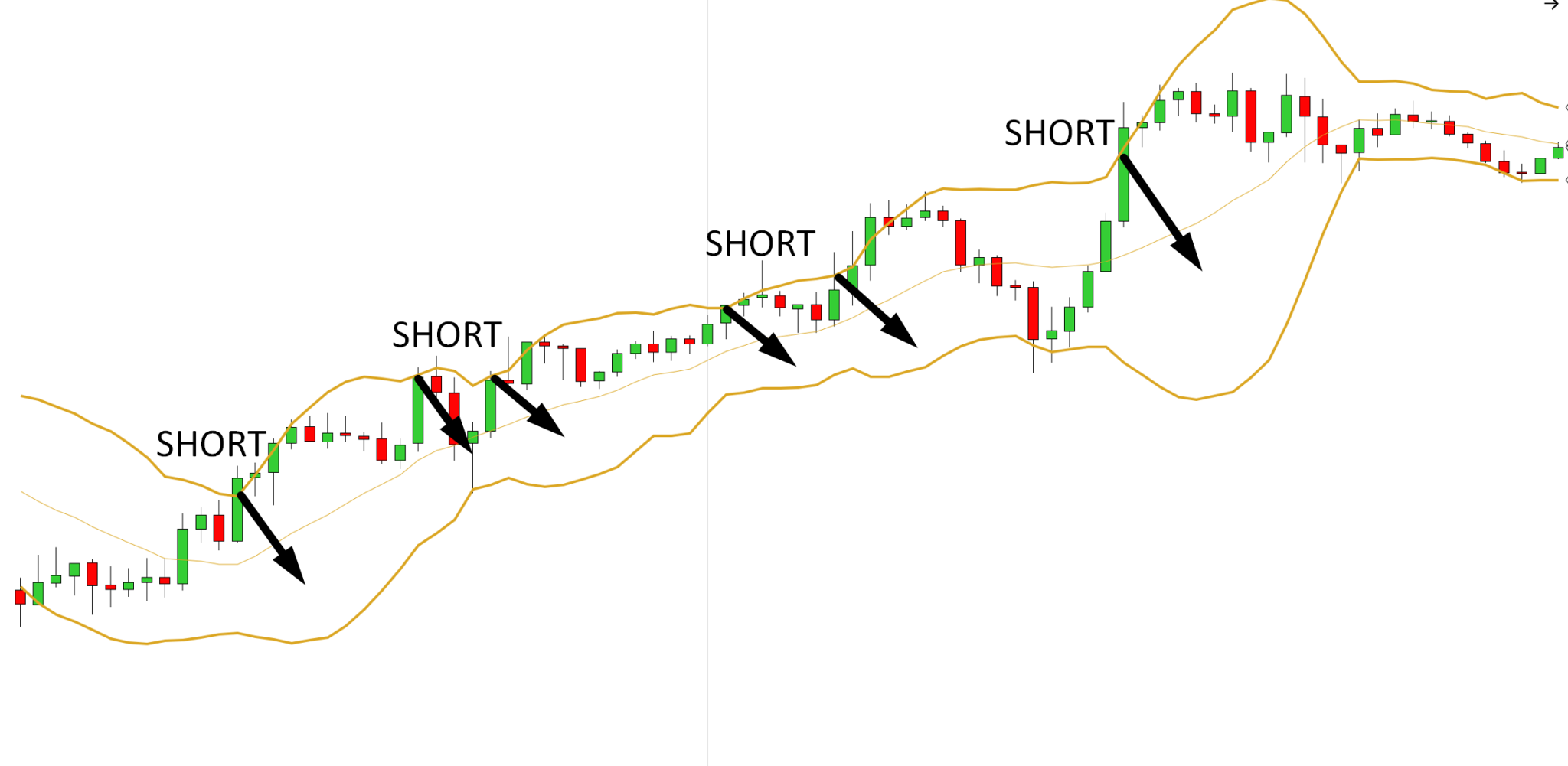
In a trend it gets much weaker. When bigger players want to push the market, they simply ignore any ‘deviation from the mean’ and the price just walks the band. That’s why you get so many failed reversal signals. Yes, sometimes it catches a move even in a trend, but that’s mostly luck rather than the bands actually working.
VERDICT:
For me, Bollinger Bands land in the C-tier. They do something under the right conditions, especially in rotation, but they still fall apart when the market starts trending.
DESCRIPTION:
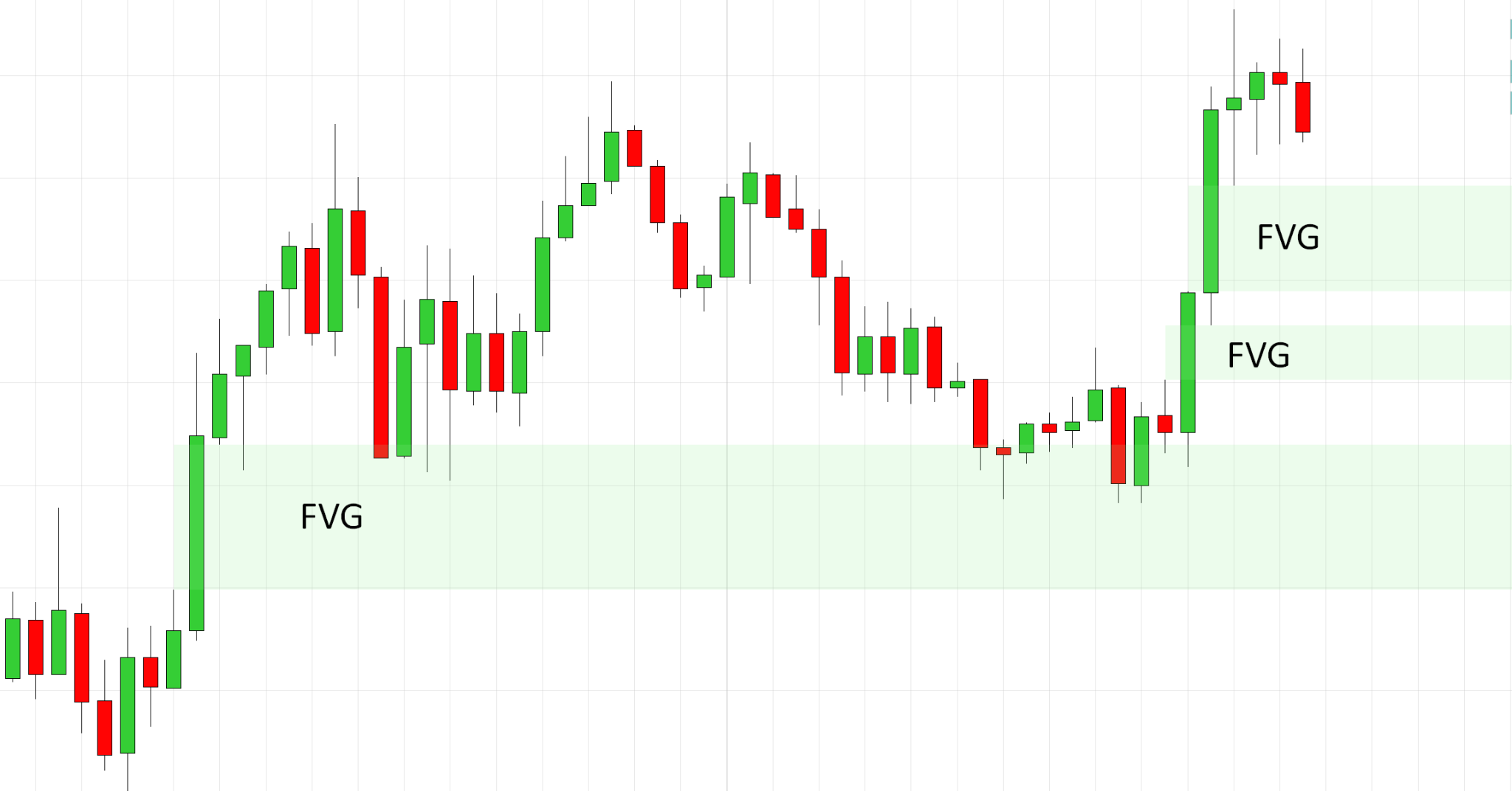
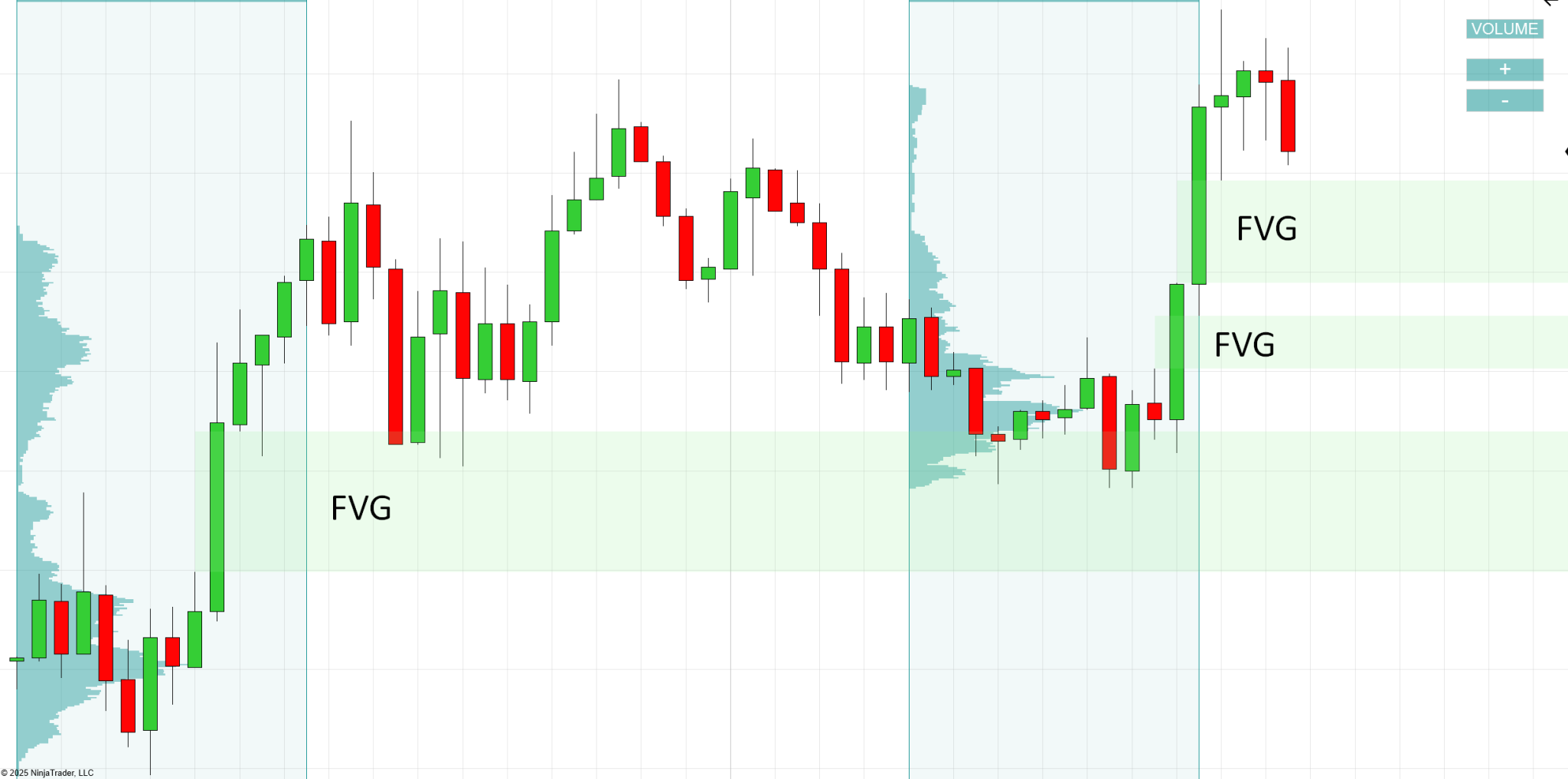
Even though an FVG looks like a simple candle pattern, it’s surprisingly a pretty strong concept. It marks places where the market was aggressive and where it moved fast. And when the market pulls back into those zones, you really do see reactions there quite often.
STRENGTH:
The good thing is that markets really do react to these zones. They’re easy to spot, and they highlight interesting areas you can then analyze further – for example with Volume Profile.
WEAKNESS:
Trading FVGs blindly, without any context or without Volume Profile, is not a long-term profitable strategy. You need something smarter around them. As a standalone tool it’s too basic, but as a supporting tool it works very well.
VERDICT:
For me, FVG is a B-tier tool. Not a magic bullet, but definitely useful, especially when you combine it with Volume Profile or add some context.
If you’re new to VP, start here:
👉 Volume Profile for Beginners
DESCRIPTION:
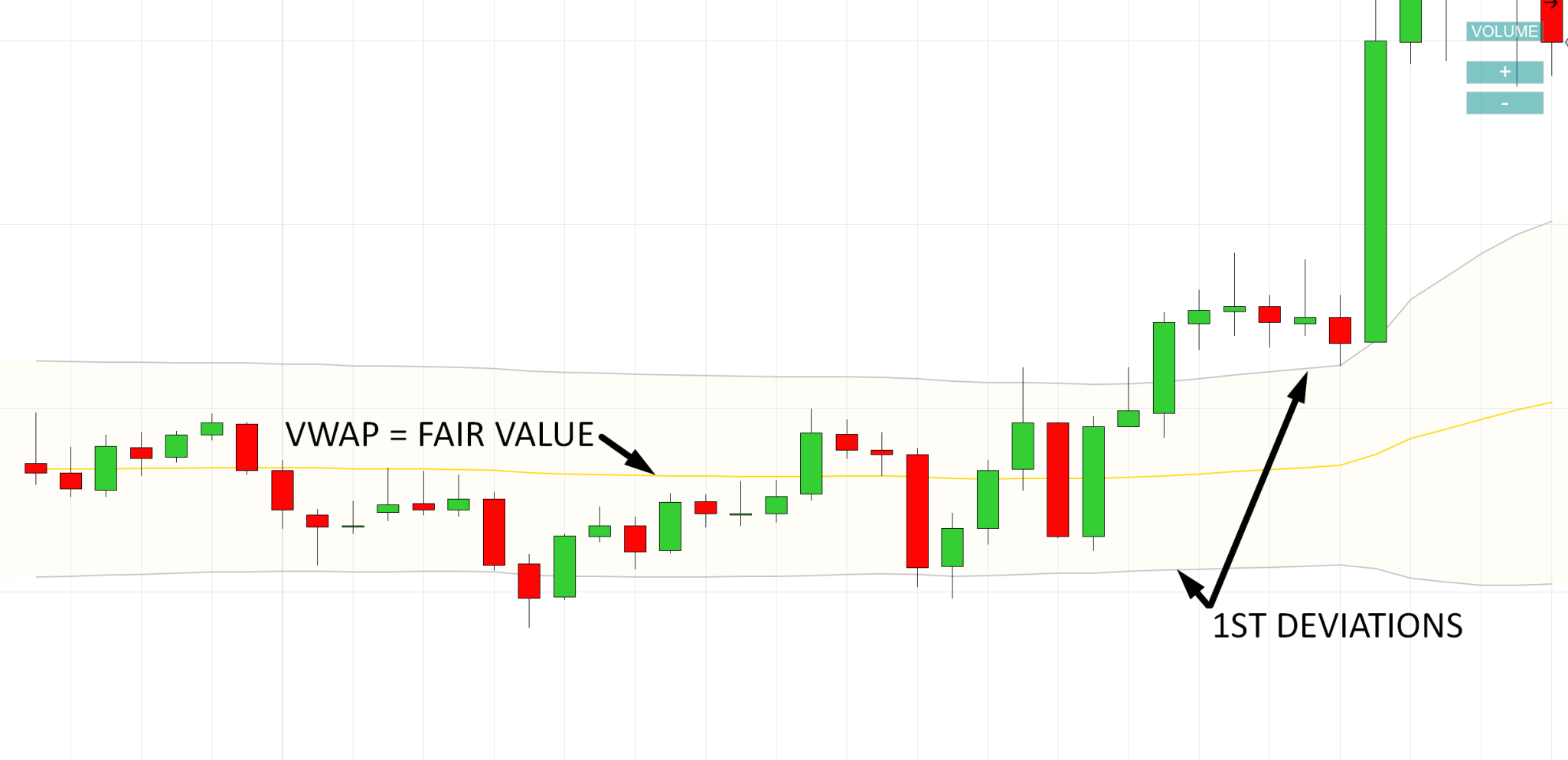
VWAP is basically a moving average upgraded with volume. It weights each price by how much was traded there, which gives you a far better picture of fair value than any classic average.
STRENGTH:
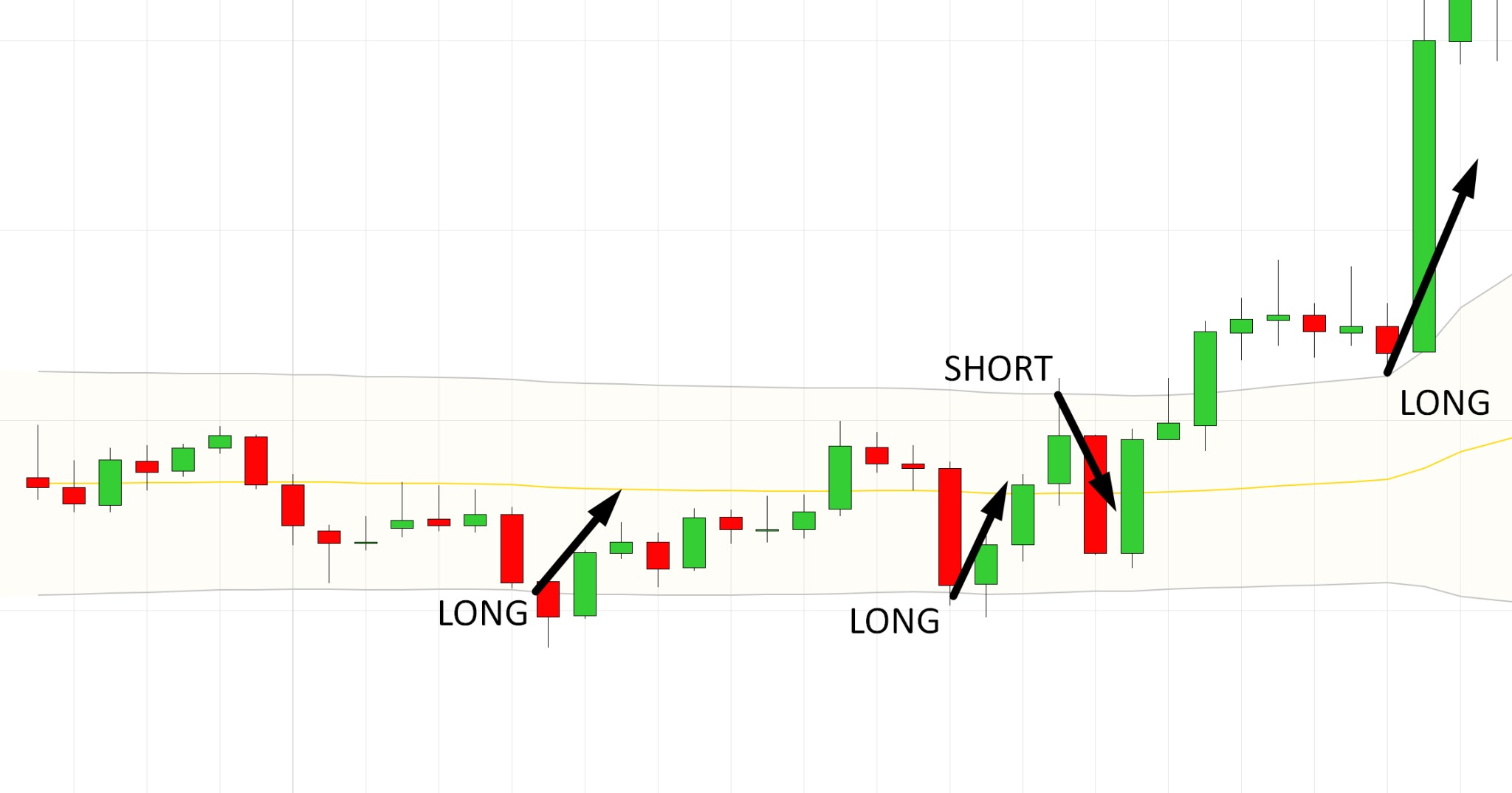
Markets react to VWAP much more consistently, and you can use it in trends or rotations. Institutional algorithms also work with VWAP, which makes those reactions even stronger. The volume component simply puts it one level above regular moving averages.
WEAKNESS:
But of course, sometimes markets just do their own thing. when big players want to push price somewhere, they will. And just like any other “simpler” tool, VWAP works best when you combine it with something that gives you proper context — for example, Volume Profile.
VERDICT:
For me, VWAP is a solid A-tier tool. It’s grounded in real logic, it reflects fair value, and markets genuinely respect it.
If you want to learn how to use VWAP effectively, check out my full trading course here:
👉 All Courses & Tools
DESCRIPTION:
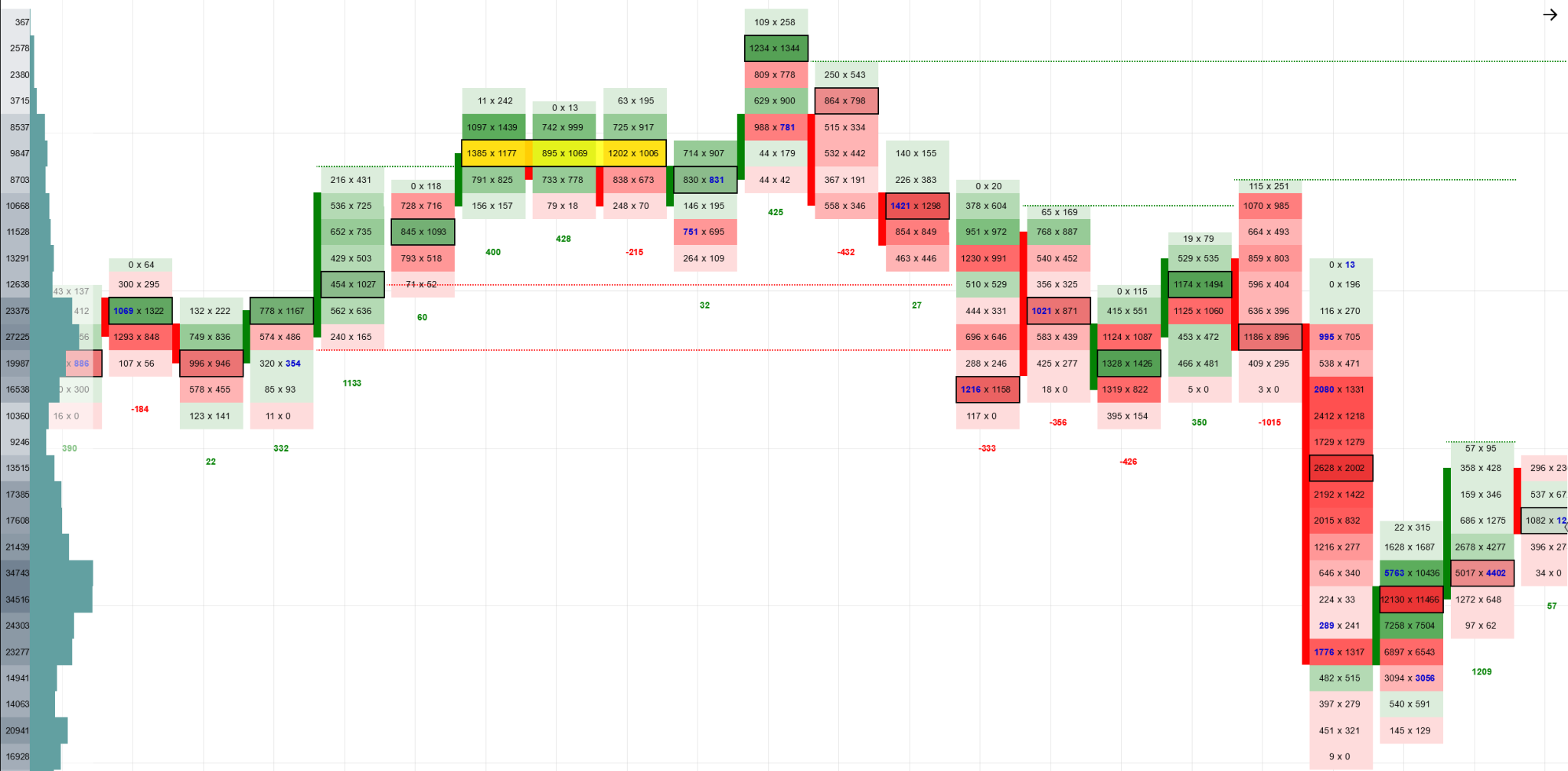
Order Flow shows executed orders — real trades happening inside each candle. Nothing hidden, nothing delayed. You see exactly what’s going on tick by tick.
STRENGTH:
It’s fantastic for intraday traders because it shows the real activity in the market. You can literally see when bigger players start stepping in, how aggressive buyers or sellers are, and where the real battle is happening. Nothing escapes Order Flow — it’s pure, real-time information.
WEAKNESS:
But that’s also the downside. Because it shows everything, an inexperienced trader can get completely lost in the noise. There’s a ton of information, and if you don’t know what you’re looking at, it becomes overwhelming really fast.
VERDICT:
For intraday trading, Order Flow is easily an A-tier tool. It’s powerful, precise, and incredibly useful — as long as you know how to avoid getting trapped in all the tiny details.
If you want to learn the basics:
👉 Order Flow Trading for Beginners
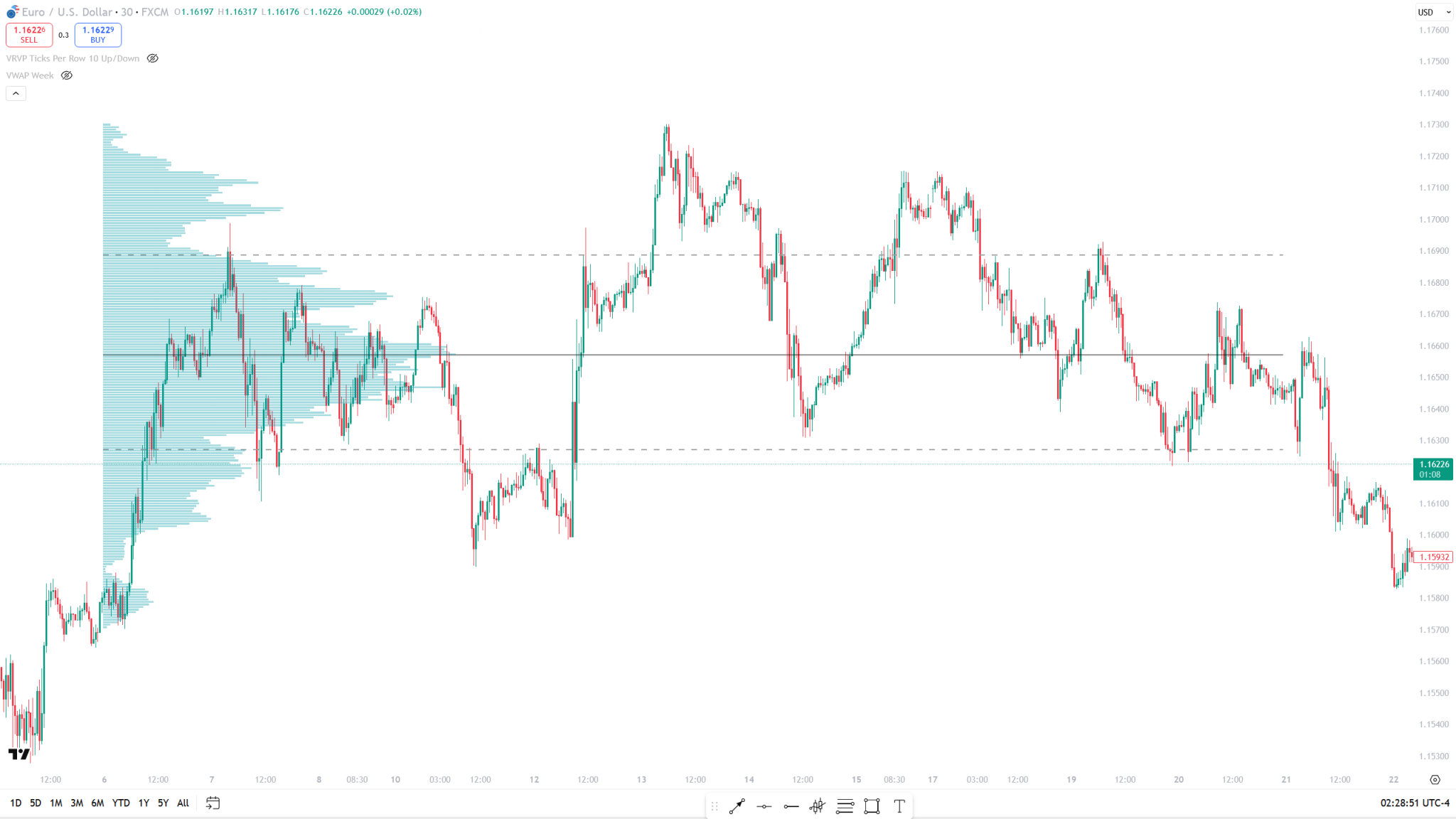
Volume Profile, similar to Order Flow, shows the real market activity without any distortion. It maps out where the biggest trades happened and highlights the exact price levels where large players were active.
STRENGTH:
The big strength of Volume Profile is how simple and powerful it is at the same time. It clearly shows the important price levels, it’s easy to read, and the information it gives you is genuinely useful. Trading with Volume Profile also tends to be very consistent — you don’t get those long losing streaks like with many no-brainer indicators that just stop working in certain environments.
WEAKNESS:
Is there a weakness in volume profile? Maybe the only thing is that it doesn’t give you automatic buy or sell signals — you need at least a basic understanding of how to use it. But once you know what to look for, it’s extremely effective.
VERDICT:
For me, Volume Profile is an easy A-tier tool. It’s reliable, consistent, and built on real market data — exactly what you want as a trader.
You can try it even for free here:
👉 How to Use Volume Profile for Free
DESCRIPTION:
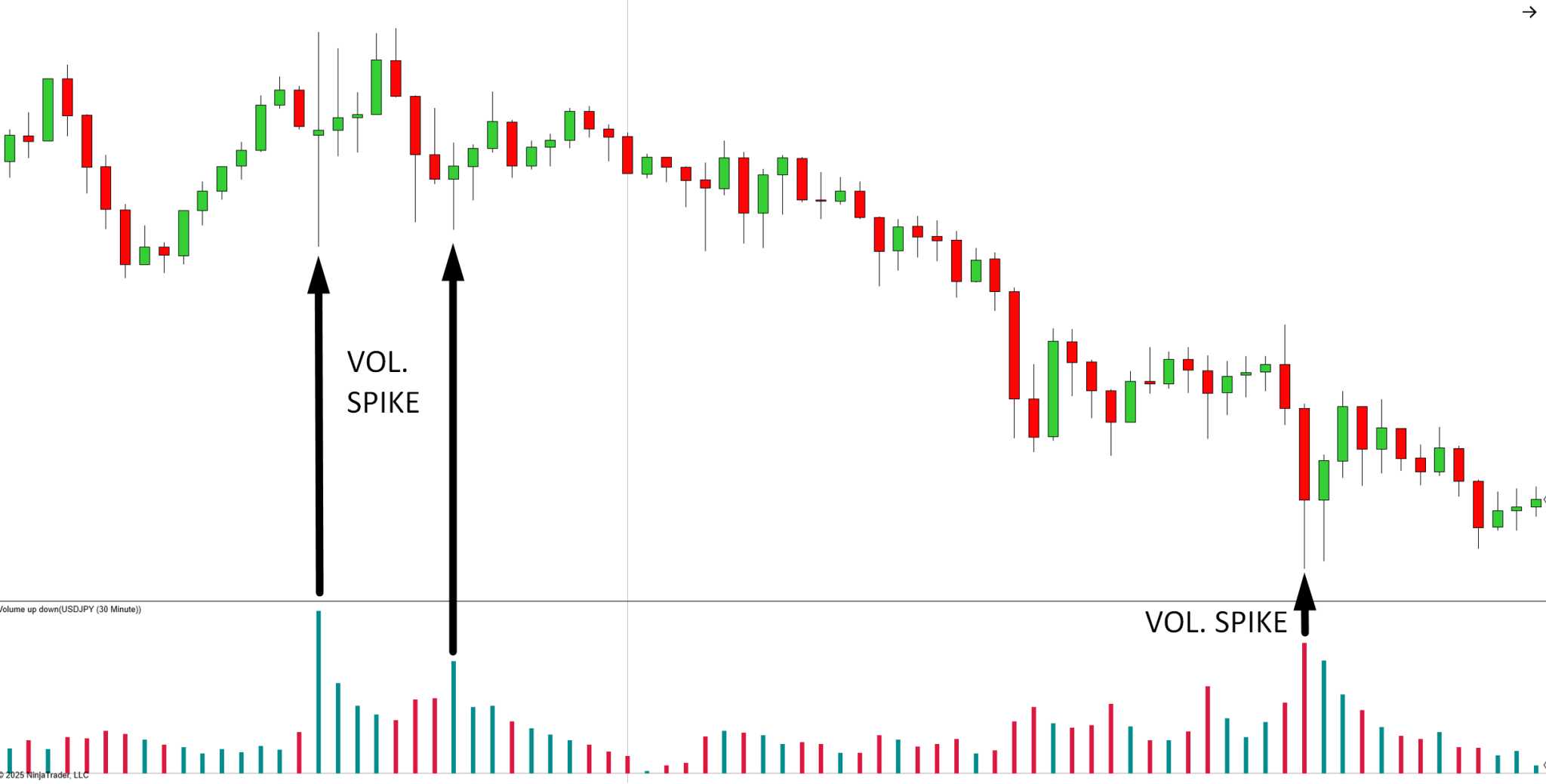
The classic volume indicator doesn’t show where heavy trading happened, only when. It just sums up how much was traded in each candle, unlike Volume Profile which maps volume to exact price levels.
STRENGTH:
It can show you candles with unusually high activity, which isn’t a bad piece of information. You can work with that because big volume spikes often mean something happened.
WEAKNESS:
But compared to Volume Profile, it’s simply weaker. Traders care about price levels, not just time when the volumes spiked – this is I would say a bit inferior info.
VERDICT:
For me, classic volume sits in the C-tier. Not useless, but nowhere near the value you get from volume profile.
You may notice the S-tier is empty.
That’s because no indicator is perfect — not even the A-tier ones.
There’s only one thing that is always right…
my wife.
So she gets the S-tier.
If you want to get your hands on the real A-tier tools — Order Flow, Volume Profile, VWAP strategies, and all my trading education — you can find everything here:
And if you’re new, start with the free physical book:
👉 Free Paperback Book
Happy trading,
-Dale
Futures and forex trading contains substantial risk and is not for every investor. An investor could potentially lose all or more than the initial investment. Risk capital is money that can be lost without jeopardizing ones’ financial security or life style. Only risk capital should be used for trading and only those with sufficient risk capital should consider trading. Past performance is not necessarily indicative of future results.
Hypothetical performance results have many inherent limitations, some of which are described below. No representation is being made that any account will or is likely to achieve profits or losses similar to those shown; in fact, there are frequently sharp differences between hypothetical performance results and the actual results subsequently achieved by any particular trading program. One of the limitations of hypothetical performance results is that they are generally prepared with the benefit of hindsight. In addition, hypothetical trading does not involve financial risk, and no hypothetical trading record can completely account for the impact of financial risk of actual trading. for example, the ability to withstand losses or to adhere to a particular trading program in spite of trading losses are material points which can also adversely affect actual trading results. There are numerous other factors related to the markets in general or to the implementation of any specific trading program which cannot be fully accounted for in the preparation of hypothetical performance results and all which can adversely affect trading results.
Testimonials appearing on this website may not be representative of other clients or customers and is not a guarantee of future performance or success.
This presentation is for educational purposes only and the opinions expressed are those of the presenter only. All trades presented are NOT TRADED IN A LIVE ACCOUNT and should be considered hypothetical.

Hi, I just finished your volume profile book. Near the beginning and again at the end you make it clear that “indicators are quite useless”. This was a hard read because I had just finished another book about vwap and only bought your book for a deaper dive into the volume profile aspect. It also occurred to me that volume profile is an indicator. I found myself on your website after a search for my next book led me to your vwap book. I was taken back. Surely this isn’t TraderDale’s book, this man hates inductors! Lastly I was led to this list of your favorite indicators and I’m at a loss.
I don’t know that I have a definitive question, kinda just ‘what gives!?’